We Need More Beds: The UK Care Home Supply Crisis

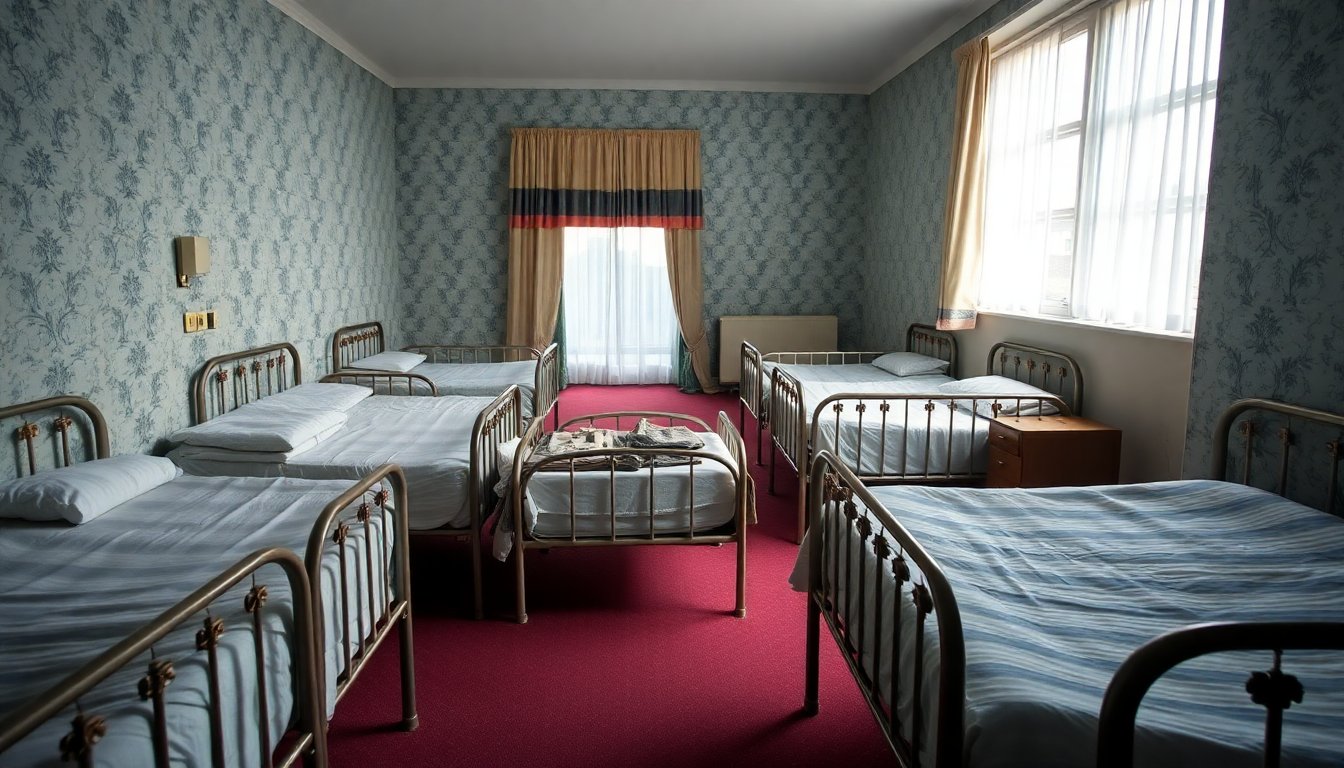
A 28,000 bed shortfall today, 75,000 by 2030. While London and the South East get 58% of new beds, Northern regions face critical undersupply. The system is reaching capacity.
Key Findings
beds
Current Bed Shortfall
beds
Projected 2030 Gap
10,700 (range: 7,000,400
Beds Needed Per Year
Imagine a hospital where 70% of the beds are over 20 years old, where occupancy rates have hit record highs, and where you need 10,700 new beds every year just to stand still. Now imagine that instead of building where the need is greatest, you are building 58% of new capacity in the two regions that already have the most.
This is not a thought experiment. This is the UK care home market in 2025.
New market intelligence from CareScope Intelligence reveals a supply crisis that is both immediate and accelerating. We face a current shortfall of 28,000 beds. By 2030, that gap will reach 75,000. Yet the development pipeline is not just inadequate; it is geographically perverse. London and the South East are receiving 58% of all new bed development, while Northern regions that desperately need capacity are being left behind.
The numbers tell a story of systematic failure. The UK needs 10,700 new beds per year (with a range of 7,000 to 14,400 depending on demographic scenarios). In 2024, we built just 86 new beds. Not 86,000. Eighty-six.
Key Statistics
- 28,000: Current bed shortfall across the UK
- 75,000: Projected gap by 2030
- 58%: Share of new beds going to London and South East
- 35,000: Beds needed in Northern regions (North West, Yorkshire, North East)
- 10,700: Beds needed per year to meet demand (range: 7,000-14,400)
- 86: New beds built in 2024 (vs 10,700 needed)
- 70%: Percentage of care home stock over 20 years old
- 26.7: Beds per 100 people over 85 (down from 33.7 in 2010)
- 89.4%: Occupancy rate (record high from 2018)
- 10%: Workforce vacancy rate
- 28.3%: Annual staff turnover rate
The Mathematics of Crisis
The arithmetic is brutal. The UK currently has approximately 465,000 care home beds. We need 28,000 more today just to meet current demand. By 2030, as the population over 85 doubles, we will need an additional 75,000 beds.
Yet bed supply has grown by just 2.9% over the last decade, while the over-65 population has grown by 20.7%. This is not a supply problem. This is a supply collapse.
The capacity crisis is already here. Occupancy rates hit 89.4% in 2018, a record high. When occupancy exceeds 85%, the system loses flexibility. There is no buffer for seasonal variations, no capacity for emergency placements, no room for choice. At 89.4%, we are operating at the edge of what is sustainable.
But here is the truly alarming statistic: beds per 100 people over 85 have fallen from 33.7 in 2010 to 26.7 today. We are going backwards. While demand is exploding, supply is contracting.
The Geography of Neglect
The regional distribution of new bed development reveals a pattern that borders on the absurd. According to CareScope Intelligence market analysis, London and the South East are receiving 58% of all new bed development, despite already having the highest concentration of care home capacity.
Regional Development Activity
New bed allocation by region showing geographic concentration in London and South East (2025)
Data: CareScope Intelligence Market Analysis (2025)
London alone is receiving 4,350 new beds, representing 30% of all new development. The South East receives 4,060 beds (28%). Together, these two regions account for 8,410 beds out of a total of 14,500 beds in the development pipeline.
Meanwhile, the North West, which has a supply gap of 15,000 beds, is receiving just 725 new beds (5%). Yorkshire, with a 12,000 bed gap, receives 435 beds (3%). The North East, facing an 8,000 bed shortfall, receives just 145 beds (1%).
This is not market efficiency. This is market failure. We are building beds where land is expensive, where competition is highest, and where the demographic pressure, while real, is not the most acute. We are ignoring the regions where need is greatest, where land costs are lower, and where first-mover advantage could be significant.
The Pipeline Problem
The development pipeline to 2032 shows 30,000 beds in planning or construction. This sounds substantial until you realise that 60% of these beds are in the South and South East, regions that already have the highest bed density.
Even if all 30,000 beds in the pipeline are delivered, we will still face a shortfall. The UK needs approximately 10,700 new beds per year. Over seven years (2025-2032), that is 74,900 beds. The pipeline provides 30,000. The gap is 44,900 beds, and that assumes perfect delivery of every scheme in planning.
But delivery is far from guaranteed. Many schemes in the pipeline are mixed-use developments with optional care home components. These may not reach build-out due to economic factors, planning complications, or developer priorities. The actual delivery rate could be significantly lower than the pipeline suggests.
The Stock Obsolescence Crisis
The supply crisis is compounded by the age and condition of existing stock. According to Knight Frank research, 70% of UK care homes are over 20 years old. Approximately 27% are converted from other uses, often lacking the design features needed for modern care delivery.
More critically, 29% of beds lack en suite facilities, while 70% lack full wet rooms. These are not minor inconveniences. They are fundamental barriers to delivering quality care. The Care Quality Commission rates 19% of homes as "requires improvement" or "inadequate."
This ageing stock is not just outdated. It is becoming obsolete. Modern care standards require en suite facilities, full wet rooms, and designs that support infection control and resident dignity. Homes built 20 or 30 years ago often cannot meet these standards without complete refurbishment, which is often more expensive than new build.
The result is a double crisis: we are not building enough new beds, and we are losing existing capacity as older homes become unfit for purpose and close.
The Workforce Constraint
Even if we could build the beds, we cannot staff them. The sector faces a 10% vacancy rate, with 28.3% annual staff turnover. This is not a temporary problem. It is a structural crisis.
The workforce shortage creates a vicious cycle. Providers cannot recruit staff, so they cannot fill beds, so occupancy rates fall, so revenue declines, so they cannot invest in new facilities or higher wages, so they cannot recruit staff. The system is trapped.
This workforce crisis is particularly acute in Northern regions, where lower fee rates make it harder to compete for staff. The geographic concentration of new development in London and the South East, where fee rates are higher, further exacerbates the regional imbalance in workforce availability.
The Demographic Tsunami
The fundamental driver of demand is demographic. The population over 85 will more than double by 2050. This is not a projection. It is a certainty. The people who will need care in 2030, 2040, and 2050 are already alive today.
Current planning must account for this demographic shift. Yet we are building at a rate that assumes demand will remain static. We are planning for yesterday's population, not tomorrow's.
The capacity ratio tells the story. In 2010, there were 33.7 beds per 100 people over 85. Today, there are 26.7 beds per 100 people over 85. By 2030, if current trends continue, that ratio will fall further, even as the absolute number of people over 85 explodes.
The High-Opportunity Markets
CareScope Intelligence identifies three high-opportunity markets in Northern regions where supply gaps are acute and development potential is significant:
North West: Supply gap of 15,000 beds. Success factors include lower land costs, an ageing population, and limited existing supply. The region offers first-mover advantage in a market with growing demand and constrained competition.
Yorkshire: Supply gap of 12,000 beds. Success factors include undersupply, a growing elderly population, and economic development initiatives that support care infrastructure. The region presents opportunities for purpose-built modern facilities targeting the private-pay market.
North East: Supply gap of 8,000 beds. Success factors include limited competition, government support for regional development, and infrastructure investment. The region offers medium-term opportunity for investors willing to enter a less mature market.
These regions represent 35,000 beds of unmet demand. Yet they are receiving just 1,305 beds in the current development pipeline (725 + 435 + 145). This is 3.7% of identified need.
The Market Rebalancing Strategy
Addressing the geographic imbalance requires immediate action and strategic focus:
Immediate Actions:
- Prioritise development in North West and Yorkshire regions where supply gaps are most acute
- Leverage lower land costs in underserved areas to improve development viability
- Partner with local authorities for development incentives and planning support
Strategic Focus:
- Target medium-sized urban centres in the North where demographic pressure is growing
- Develop purpose-built modern facilities that meet current care standards
- Focus on private-pay market segments where fee rates support sustainable operations
Long-term Benefits:
- Reduced competition and higher occupancy rates in undersupplied markets
- First-mover advantage in growth markets with limited existing capacity
- Portfolio diversification and risk reduction through geographic spread
The Investment Opportunity
Despite the crisis, the market presents significant investment opportunity. The total UK care home market is valued at £15.8 billion, with annual growth of 4.2%. ROI ranges from 6-8%, with payback periods of 12-15 years.
Success factors for investors include:
- Strategic location in undersupplied areas (particularly Northern regions)
- Focus on private-pay market segments with higher fee rates
- Modern, COVID-resilient design with en suite facilities and full wet rooms
- Strong operational partnerships with experienced care providers
However, key risks remain:
- Workforce shortages limiting operational capacity even when beds are available
- Rising construction costs affecting development viability
- Regulatory changes impacting design requirements and operational standards
- Local authority funding constraints affecting fee rates and occupancy
The Solution
We need to stop treating care home development as a luxury good that follows wealth. It is essential infrastructure that should follow need.
Immediate Priorities
1. Rebalance Development: Redirect development incentives and planning support toward Northern regions with the greatest supply gaps 2. Accelerate Pipeline: Streamline planning processes and provide development finance for schemes in high-need areas 3. Modernise Stock: Support refurbishment and replacement of obsolete homes, particularly in regions with limited new development
Strategic Reforms
1. National Development Strategy: Create a national framework that prioritises development in undersupplied regions 2. Workforce Investment: Invest in care workforce development, particularly in Northern regions, to support new bed capacity 3. Market Intelligence: Use data-driven analysis (such as that provided by CareScope Intelligence) to guide development decisions and identify opportunities
The crisis is not inevitable. It is a choice. We are choosing to build beds where land is expensive rather than where need is greatest. We are choosing to ignore demographic reality. We are choosing to let the market fail.
But we can choose differently. We can build where need is greatest. We can plan for tomorrow's population, not yesterday's. We can use market intelligence to guide development rather than following wealth.
The question is not whether we need more beds. The question is whether we have the will to build them where they are needed most.
Key Data Summary
| Metric | Figure |
|---|---|
| Current Bed Shortfall | 28,000 beds |
| Projected 2030 Gap | 75,000 beds |
| Beds Needed Per Year | 10,700 (range: 7,000-14,400) |
| New Beds Built 2024 | 86 beds |
| London + South East Share | 58% of new development |
| Northern Regions Supply Gap | 35,000 beds (North West, Yorkshire, North East) |
| Stock Over 20 Years Old | 70% |
| Beds per 100 Over-85s | 26.7 (down from 33.7 in 2010) |
| Occupancy Rate | 89.4% (record high) |
| Workforce Vacancy Rate | 10% |
| Annual Staff Turnover | 28.3% |
| Pipeline to 2032 | 30,000 beds (60% in South/SE) |
Methodology
This analysis is based on comprehensive market intelligence from CareScope Intelligence, which aggregates data from leading property consultancies, government statistics, and industry research reports. The analysis combines:
- Development Pipeline Data: Analysis of planning applications and construction activity across UK regions
- Demographic Projections: ONS population forecasts for over-65 and over-85 age groups
- Market Intelligence: Property consultancy reports from Knight Frank, Savills, and other leading firms
- CQC Registration Data: Care Quality Commission data on care home registrations, deregistrations, and capacity
- Occupancy and Performance Data: Industry surveys and trading performance reviews
- Regional Analysis: Geographic breakdown of supply, demand, and development activity
All figures represent the most current available data as of November 2025. Regional development activity data is based on analysis of new bed allocation in the current development pipeline. Supply gap calculations are based on demographic projections and current bed capacity ratios.
Sources
20 SourcesPrimary Sources
November 2025
- Comprehensive analysis of UK care home construction market
- Regional development activity and geographic concentration patterns
- Supply gap analysis by region (North West: 15,000 beds, Yorkshire: 12,000 beds, North East: 8,000 beds)
- Pipeline analysis showing 30,000 beds to 2032 (60% in South/SE)
- Market opportunity identification for undersupplied regions
- Data on current shortfall (28,000 beds) and projected 2030 gap (75,000 beds)
- Beds needed per year: 10,700 (range 7,000-14,400)
2025
- Deep analysis of UK care home supply and pipeline
- Bed supply growth of just 2.9% over last decade vs 20.7% population growth
- 70% of homes over 20 years old
- 29% of beds lack en suite facilities, 70% lack full wet rooms
- 2024 saw 36% dip in new builds compared to 2023
- 26.7 beds per 100 people over 85 (down from 33.7 in 2010)
- Projected shortfall of 200,000 beds by 2050
- Only 86 new beds created in 2024
2024
- Occupancy levels of 88.3% in 2024, up from 86.4% in 2023
- Analysis of nearly 80% of corporate care market
- Over 100,000 care beds across 781 UK towns and cities
- Regional performance variations
- Fee growth trends and operational performance
Government and Regulatory Sources
CQC
- Care home registration and deregistration data
- Quality ratings: 19% of homes rated "requires improvement" or "inadequate"
- Staffing and workforce data
- Vacancy rates just under 5% as of 2024/25
November 2025
- Current occupancy data: 86.5% bed occupancy rates (week ending October 14, 2025)
- Regional variations in care home capacity
- Current capacity and demand data
ONS
- Over-65 population growth of 20.7% over last decade
- Projections for over-85 population doubling by 2050
- Regional demographic variations
- Basis for demand calculations
Property Consultancy and Industry Sources
July 2025
- UK will need additional 144,000 care home beds over next 10 years
- Geographic imbalances: only 15% of new beds in Northern England since 2020
- Around half of new beds concentrated in London and south/east of England
- Investment volumes and market analysis
- Cross-border capital flows and investor sentiment
- Healthcare assets achieving 5.9% average annual rental income returns
- Five-year capital growth rates of 12%
- Performance comparison with other property sectors
- Analysis of elderly care home bed stock in Cornwall, Devon, Somerset, and West Dorset
- Regional demographics and supply constraints
- Forecast of 23,056 bed shortfall by 2035 in South West
- Only 24% purpose-built care homes in South West vs 44% national average
Research and Analysis Sources
- 17.7% decline in care home beds between 2012 and 2023
- From 11.3 to 9.3 beds per 100 people
- Long-term trend analysis of capacity decline
- Comprehensive statistics on care home demand and capacity
- Demographic trends and projections
- Market size and growth data
April 2025
- Analysis of Knight Frank supply report
- 2024 saw 36% dip in new builds
- 17% more planning schemes in 2024 than 2023
- Market at risk of reaching capacity by end of decade
Workforce and Operational Sources
- Workforce statistics and vacancy rates
- 10% vacancy rate in care sector
- 28.3% annual staff turnover
- Regional workforce variations
- Impact of workforce shortages on capacity
- Market size and capacity data
- Fee trends and occupancy analysis
- Regional market variations
- Used as data source in Knight Frank projections
Market Intelligence and Data Sources
- Real-time analysis of care home market trends
- Development pipeline tracking
- Regional opportunity identification
- Supply-demand gap analysis
- Geographic distribution patterns
- Market dynamics and investment opportunities
- Comprehensive database of UK care homes
- Registration and deregistration tracking
- Capacity and occupancy data
- Used as data source in Knight Frank analysis
Economic and Investment Analysis
June 2025
- Healthcare property investment analysis
- Market value and growth potential
- ROI ranges and payback periods
- Investment opportunity assessment
- Transaction volumes and trends
- Cross-border capital flows
- Regional investment patterns
- Market activity tracking
Additional Context
- Analysis of supply-demand imbalances
- Impact of demographic trends
- Policy recommendations
CHPI
- Financial analysis of care home providers
- Market structure and competition
- Impact on quality and capacity
Related Articles
REGIONAL BREAKDOWN: London pays highest but still below minimum required
New analysis reveals regional variations in funding crisis with London paying £26.83/hr (highest) but still falling short of £32.23/hr needed.
Policy Response: Government announces funding review
Minister responds to crisis with comprehensive review of home care funding structure.