The North-South Care Divide: Why Your Postcode Determines Your Dignity

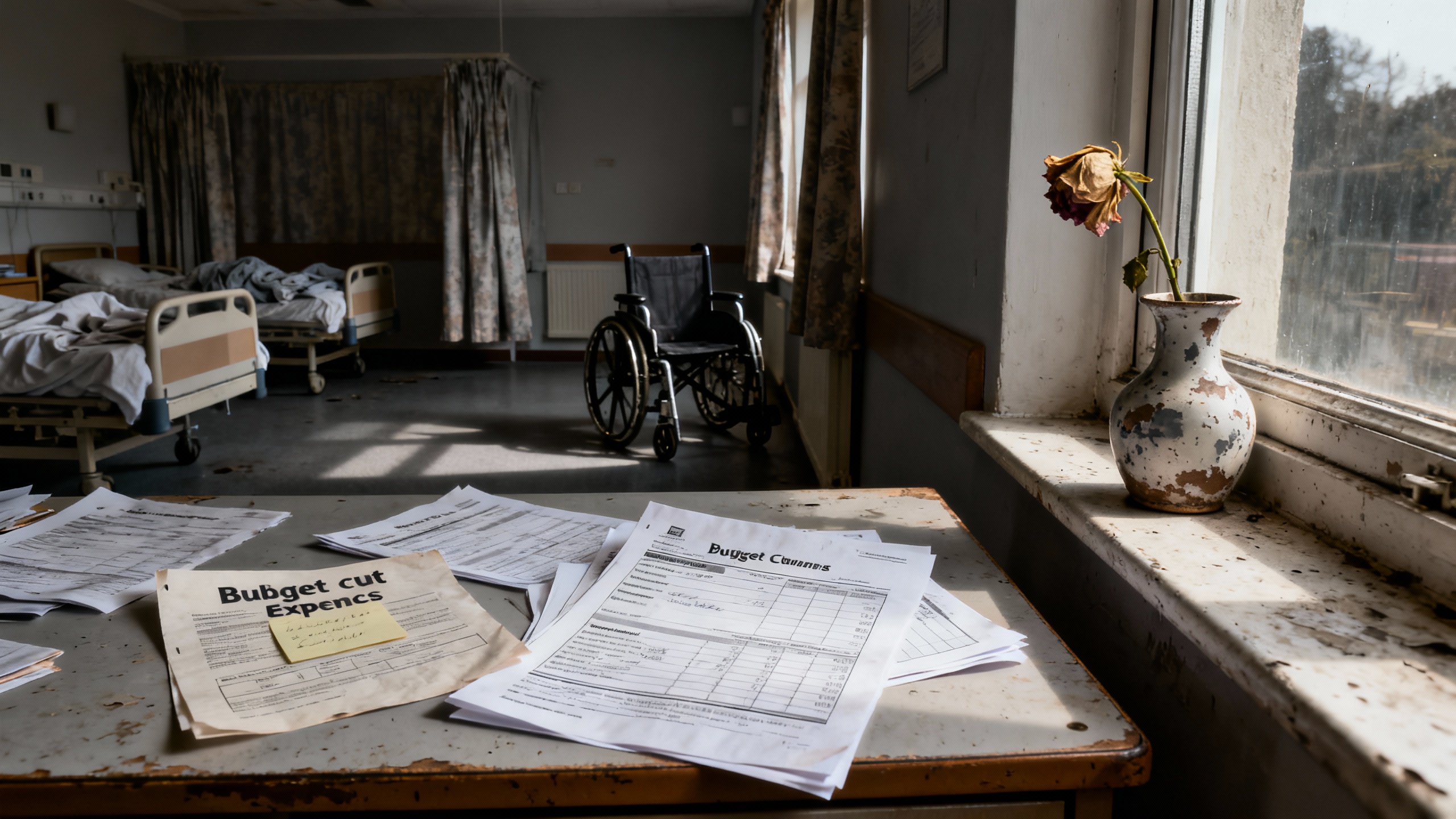
A £5.52 per hour gap between Wales and Northern Ireland reveals a postcode lottery where your dignity depends on your geography. Only one council in the entire UK pays sustainable rates.
Key Findings
/hr
Highest Rate (Wales)
/hr
Lowest Rate (N. Ireland)
Hourly Gap
Imagine if you walked into a supermarket and the price of a loaf of bread depended entirely on which checkout till you chose. If you pick Till 1, it costs you 50p. If you pick Till 5, it costs you £5.
You would be furious. You would call it a scam. You might even call the police.
But this is exactly how we are running the care system in the UK right now. We have created a "postcode lottery" so severe that the quality of care you receive, along with your dignity and safety, is determined not by your needs but by the sheer dumb luck of where you happen to sleep at night.
Key Statistics
- £5.52: Hourly gap between highest (Wales) and lowest (Northern Ireland) regions
- £27.14: Average hourly rate in Wales (highest in UK)
- £21.62: Average hourly rate in Northern Ireland (lowest in UK)
- £21.87: Average hourly rate in Greater London (second worst)
- 1: Number of councils paying sustainable rates (Pembrokeshire)
- 0.4%: Percentage of all UK public organisations meeting Minimum Price
- 29%: Councils paying below even careworker costs (almost quadruple 2023 figure)
The Mathematics of Inequality
The numbers are not just uneven. They are practically satirical.
If you are lucky enough to live in Wales, the average hourly rate for home care is £27.14. If you live in Northern Ireland, it is £21.62.
That is a gap of £5.52 per hour.
To a Treasury official, £5.52 might look like a rounding error. To a care provider, it is the difference between solvency and bankruptcy. To a resident receiving 20 hours of care a week, this gap compounds into a funding deficit of £5,740 a year.
This is "spatial inequality," the disturbing reality that your life chances are dictated by geography. We are running a national system where the value of a human being appears to fluctuate based on their distance from Cardiff. If you live in Northern Ireland, you are statistically more likely to receive care from providers who are struggling to stay afloat, cannot recruit staff, and may be forced into non-compliance with employment law.
The London Paradox
However, the most baffling statistic comes from the capital. Greater London, a city where a pint of beer can cost £8 and rent consumes most of a salary, pays an average of just £21.87 per hour for home care.
This makes London the second-worst funded region in the UK, beaten only by Northern Ireland.
This is economic illiteracy on a grand scale. The London Living Wage is £14.80, which is higher than the National Living Wage. Rents are astronomical. Travel costs are high. Yet, 59% of London councils are paying rates that are below the actual cost of employing a care worker.
They are effectively asking providers to perform a miracle: pay high wages, cover high costs, and deliver safe care, all while being paid less than a provider in rural Lincolnshire. It is not "efficiency." It is a delusion. You cannot mandate higher wages while paying lower rates and expect the market to survive.
The Fiction of the "Minimum Price"
The Homecare Association calculates a "Minimum Price for Homecare"—the hourly amount required to meet legal regulations and keep the lights on. For 2025-26, in England, that price is £32.14 per hour.
Here is the terrifying reality: 0.4% of all UK public organisations meet this price.
Every other council, every other health trust, and every other commissioning body is paying below what is needed to deliver safe, legal, sustainable care. In fact, 29% of councils are paying below the raw cost of the care worker alone. This figure has almost quadrupled since 2023.
We are not just underfunding the system; we are commissioning illegality. We are forcing providers into a binary choice: break the law or exit the market.
The Pembrokeshire Exception
There is, however, one outlier. One single council in the entire United Kingdom that pays a sustainable rate.
Pembrokeshire County Council.
Pembrokeshire pays £37.73 per hour. It exceeds the Welsh Minimum Price of £33.90. It is the only council out of 264 that pays a sustainable rate.
In science, we look for "positive deviants," the exceptions that prove a better way is possible. Pembrokeshire proves that sustainable funding is not a fantasy. It is a choice. The fact that only one council is making this choice suggests that the system isn't just broken. It is designed to fail. When 99.6% of your participants are failing, you do not have a performance problem. You have a structural problem.
The Geography of Despair
Regional Funding Disparities
Average hourly rates paid by local authorities for home care across UK regions (2025)
Data: Homecare Association FOI Research (2025)
When you look at the regional breakdown, a pattern emerges that is hard to ignore. The regions that often have the highest levels of deprivation are receiving the lowest funding.
- Wales: £27.14/hr (Highest)
- South West: £26.83/hr
- North West: £23.71/hr
- London: £21.87/hr
- Northern Ireland: £21.62/hr (Lowest)
This is not accidental. It is the result of 15 years of central government reducing funding for adult social care and expecting local authorities to cover costs through Council Tax.
Council Tax is a regressive instrument. It raises the least money in the areas that have the highest need. This fiscal framework incentivises councils to contain costs, not to improve quality.
The Political Geography
The data also reveals an uncomfortable truth about political responsibility. 69% of the councils paying below care worker costs are Labour-controlled. 65% of those have held power since 2012.
This is not necessarily about party mismanagement; it is about structural disadvantage. Labour councils are more concentrated in areas with higher needs and lower council tax bases, creating a doom loop. However, long-term political leadership has entrenched poor commissioning practices. Without a statutory floor for care prices, even well-intentioned administrations will continue to commission below cost to survive within capped budgets.
The Solution: A National Contract
We need to stop treating social care as a local hobby with local solutions. It is critical national infrastructure. The geographic inequality we see today is the result of a funding framework that has abdicated responsibility.
We need four things:
A National Contract for Care: A statutory requirement to pay cost-reflective rates. This would end the postcode lottery by creating a floor that applies everywhere.
Ring-fenced Funding: The £3.25 billion funding gap must be closed with investment that is protected from being siphoned off elsewhere.
Honest Cost Modelling: We need a funding formula linked to actual costs (like the Minimum Price) rather than the wishful thinking of a finance director.
Geographic Equity: The framework must recognise that deprived areas need more support, not less.
Pembrokeshire has shown us the benchmark. The rest of the country is currently failing it. We have normalised a system where your postcode determines whether you get a trained carer or a missed visit. That is not a policy choice. It is a failure of moral imagination.
Key Data Summary
| Metric | Figure |
|---|---|
| Highest Rate (Wales) | £27.14/hr |
| Lowest Rate (N. Ireland) | £21.62/hr |
| Hourly Gap | £5.52 |
| London Rate | £21.87/hr (2nd Worst) |
| Councils Meeting Min. Price | 1 (Pembrokeshire) |
| % of Councils Paying Sustainable Rates | 0.4% |
| Councils Paying Below Cost | 29% |
Methodology
This analysis is based on comprehensive research from the Homecare Association, which conducted Freedom of Information requests to 276 public organisations across the United Kingdom. The data represents:
- Sample Period: Week including Monday 14 April 2025
- Response Rate: 282 responses (including split responses from South Yorkshire and West Yorkshire ICBs)
- Coverage: 264 organisations purchase home care from independent and voluntary sector
- Data Points: Lowest/highest/average rates, total hours, total spend, user numbers, contract types
- Regional Analysis: Weighted averages calculated by region and devolved administration
- Cost Calculation: Minimum Price based on National Living Wage (England) or Real Living Wage (devolved administrations) plus operational costs and 7% sustainability margin
Sources
24 SourcesPrimary Sources
November 2025
- Comprehensive research report by Adrian Houghton, Policy Specialist
- Based on 282 Freedom of Information responses from public organisations across the UK
- Primary source for all regional funding data, including Wales (£27.14/hr), Northern Ireland (£21.62/hr), Greater London (£21.87/hr), and Pembrokeshire (£37.73/hr)
- Includes detailed regional breakdowns, political control analysis, and geographic inequality data
- Figure 3: Weighted average hourly prices by government regions and devolved administrations
- Figure 40: Average prices and total hours by region
- Figure 41: Map showing average hourly rates by individual councils
- England: £32.14 per hour
- Wales: £33.90 per hour
- Scotland: £32.88 per hour
- Northern Ireland: £32.84 per hour
- Careworker costs calculations for each nation
- Basis for determining sustainable rates
Government Sources
- 15 years of progressive reduction in central government funding for adult social care
- Expectation that local authorities cover costs through council tax increases
- Regressive nature of council tax disadvantaging deprived regions
- Fiscal framework analysis from Homecare Deficit 2025 report
November 2025
- Government statements on social care challenges
- Response to funding crisis reports
- Policy position on care funding and regional variations
2025
- Current NLW rate: £12.21/hr (England)
- Real Living Wage: £13.45/hr (devolved administrations)
- London Living Wage: £14.80/hr (2025-26)
- Legal minimum wage requirements
Regional Data Sources
April 2025
- Wales: 22 councils, weighted average £27.14/hr, highest in UK
- Northern Ireland: 5 HSC Trusts, weighted average £21.62/hr, lowest in UK
- Greater London: 33 councils, weighted average £21.87/hr, second worst
- Pembrokeshire County Council: £37.73/hr, only council meeting Minimum Price
- Individual council rates and hours data for all regions
- Political control data for councils
- Analysis showing 69% of councils paying below careworker costs are Labour-controlled
- 65% of those councils have held power since 2012 or earlier
- Geographic distribution of political control
Research and Analysis Sources
- Previous FOI exercise for comparison
- Trend analysis showing deterioration in regional equity
- Historical baseline for geographic inequality
2014, 2016, 2018, 2021
- Long-term trend analysis of regional disparities
- Evidence of increasing geographic inequality over time
- Percentage of councils meeting Minimum Price declining from 14% (2014) to 0.5% (2025)
- Workforce statistics by region
- Vacancy rates and recruitment challenges
- Impact of regional funding disparities on workforce
Industry and Expert Sources
Association of Directors of Adult Social Services
- Analysis of commissioning challenges by region
- Impact of funding framework on local authorities
- Geographic variations in service provision
November 2025
- "When commissioners set rates that fall short of legal wage costs, they force providers into non-compliance or exit."
- "Investing properly in home care is both a moral and an economic imperative."
- Commentary on geographic inequality and postcode lottery
- List of signatory councils
- 31% of signatories paying below careworker costs
- Geographic distribution of Ethical Care Charter signatories
Data and Methodology Sources
April 2025
- 282 responses from 276 public organisations
- 264 organisations purchasing from independent and voluntary sector
- Data on hourly rates, hours commissioned, total spend, user numbers
- Regional variations and payment practices
- Sample week: Week including Monday 14 April 2025
- Minimum Price calculations for each UK nation
- Careworker costs: £22.71/hr (England), £24.40/hr (Wales), £23.42/hr (Scotland), £23.41/hr (Northern Ireland)
- Business costs and 7% sustainability margin
- Regional cost variations based on local economic conditions
Geographic and Inequality Analysis
2024
- Analysis of how geographic inequality compounds other inequalities
- Impact of deprivation on health and care outcomes
- Framework for understanding spatial inequality
2025
- Analysis of health inequalities across London boroughs
- Healthy life expectancy varying by more than a decade between boroughs
- Context for understanding care funding disparities
- Scottish regional care data
- Context for understanding Scottish funding levels
Northern Ireland
- Northern Ireland care data
- Context for understanding Northern Ireland's lowest funding levels
Economic and Policy Analysis
- Each occupied bed costs the NHS around £400 per night
- Impact of underfunded home care on hospital discharge
- Economic cost of geographic inequality in care provision
- 42% of hospital patients waiting for services provided mainly through social care
- Impact of regional funding disparities on NHS pressures
- Cost of inaction on geographic inequality
- Government's commitment to shifting care into the community
- Integration strategy and prevention agenda
- Contradiction with regional funding disparities
Additional Context
November 24, 2025
- Independent journalism analysis of Homecare Association research
- Expert commentary on regional variations
- Policy context for geographic inequality
November 2025
- Industry analysis of funding crisis
- Regional inequality commentary
- Provider perspectives on geographic disparities
Related Articles
REGIONAL BREAKDOWN: London pays highest but still below minimum required
New analysis reveals regional variations in funding crisis with London paying £26.83/hr (highest) but still falling short of £32.23/hr needed.
Policy Response: Government announces funding review
Minister responds to crisis with comprehensive review of home care funding structure.