The Power of Music: How Songs You Love Keep Your Brain Sharp and Memory Alive

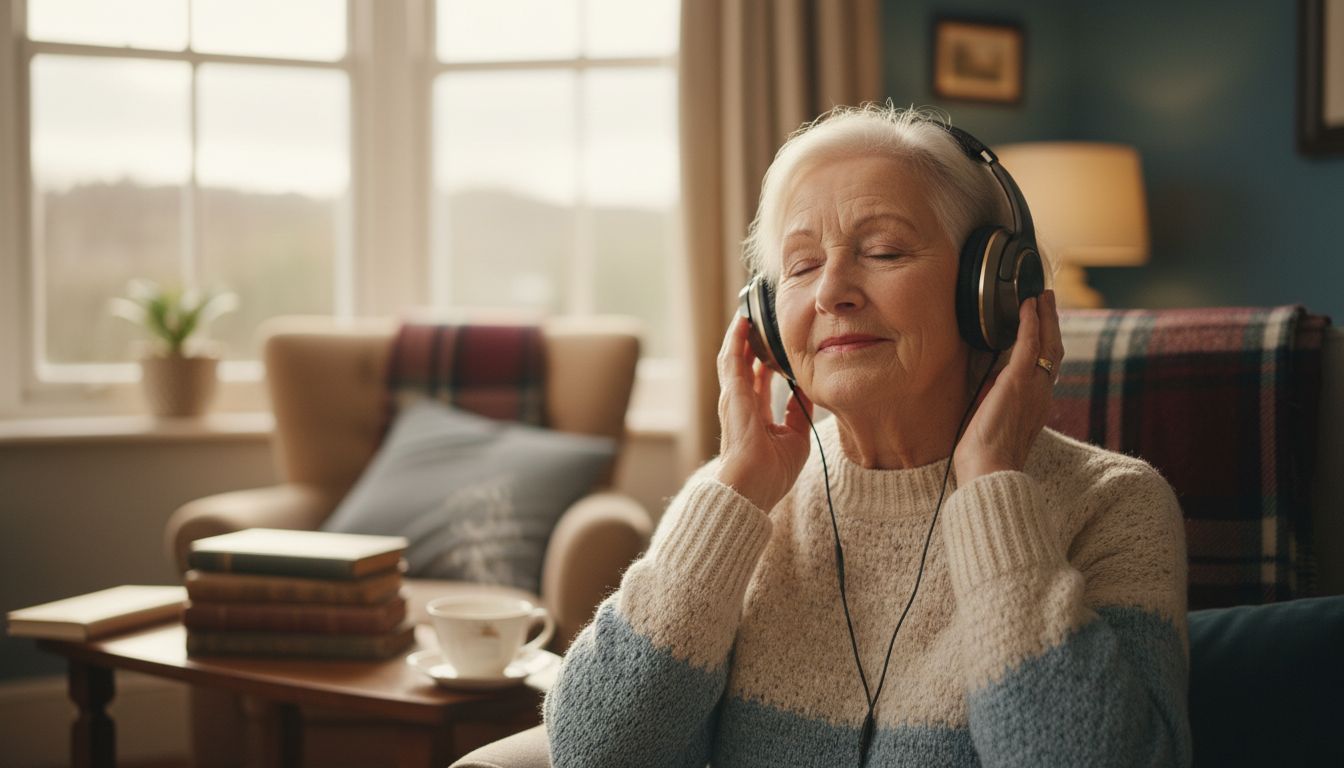
A major study shows listening to music reduces dementia risk by 39%. From personal playlists to singing groups, here's why music might be the most powerful brain medicine we have.
There is a moment that families describe again and again. A parent with dementia, largely unresponsive, suddenly begins to sing along to a song from their youth. Word perfect. Every note remembered. For those few minutes, they are entirely present.
This is not magic. This is neuroscience. And a growing body of research suggests that music does something to the human brain that nothing else can replicate.
A major study of nearly 11,000 adults over 70 found that those who frequently listened to music had a 39 percent lower risk of developing dementia. Those who played instruments saw a 35 percent reduction. These are not small numbers. They are, frankly, remarkable.
So while we pour billions into pharmaceutical research, the most powerful brain medicine might already be in your pocket, on your phone, waiting to play.
Key Statistics
- 39%: Reduced dementia risk from frequent music listening (Monash University study)
- 35%: Reduced dementia risk from playing a musical instrument
- 100%: Of Singing for the Brain participants report life improvements
- 10,893: Participants in the Monash University cohort study
- 2,000+: Playlist for Life Help Points across the UK
- 8,000+: Healthcare professionals trained by Playlist for Life
The Monash University Evidence
The largest study of its kind, published in 2025, followed 10,893 adults aged 70 and over from the ASPREE study in Australia. None had dementia at the start. Researchers tracked them to see who developed cognitive problems, and what habits seemed protective.
The findings were striking:
Listening to music always or frequently was associated with a 39 percent lower incidence of dementia and 17 percent lower cognitive impairment.
Playing a musical instrument was linked to a 35 percent lower dementia rate.
Combined listening and playing showed a 33 percent decreased risk.
The researchers suggested music engages multiple brain networks simultaneously. It activates memory, emotion, movement, and reward centres all at once. Few other activities create this kind of whole-brain workout.
Quick Answers About Music and Brain Health
Click any question to expand the answer
Why Music Works: The Neuroscience
Music does something extraordinary to our brains. Brain imaging studies show that listening to familiar or meaningful music strengthens neural connections, particularly in areas that support memory and attention.
Multiple Brain Regions Activated
When you listen to a song you love, your brain lights up like a Christmas tree. The auditory cortex processes the sound. The motor cortex makes you want to tap your foot. The limbic system generates emotion. The prefrontal cortex retrieves memories associated with that song.
This multi-region activation is rare. Most activities engage one or two brain areas. Music engages nearly all of them simultaneously.
The Nostalgia Effect
Research from Northeastern University found that nostalgia-evoking music specifically activated brain areas important for cognitive functioning. When participants heard songs from their past, they showed increased connectivity between the auditory system and the brain's reward centre.
More importantly, the right executive control network, responsible for attention and focus, worked more accurately after listening to personally meaningful music.
Procedural Memory Preservation
Here is why people with dementia can still sing songs from sixty years ago: musical memory is stored differently from other memories. It is encoded as procedural memory, the same type that lets you ride a bicycle without thinking about it.
Even when the hippocampus, the brain's memory centre, is damaged by dementia, procedural memory often remains intact. This is why someone who cannot remember their children's names can still sing every word of a song from 1955.
Singing for the Brain
The Alzheimer's Society runs Singing for the Brain groups across England, Wales, and Northern Ireland. These are not performances. They are therapeutic sessions where people with dementia and their carers sing familiar songs together.
The results speak for themselves. An evaluation found that 100 percent of participants reported improvements in their lives in some way.
Specific benefits included:
- Reduced anxiety and increased relaxation
- Greater happiness and sense of identity
- Improved memory and word recall
- Increased energy levels
- Meaningful connections with others sharing similar experiences
- Opportunities for peer support
> "I love Singing for the Brain, which I call singing for the soul. The group lets me meet other people with dementia, which makes me feel that I am not so different after all." - Irene, who has dementia
A systematic review of 40 studies on singing interventions found significant improvements across four key areas: psychological wellbeing, quality of life, cognition, and care-partner wellbeing. Participants showed better general cognition, improved attention, and significantly better autobiographical recall, such as remembering names of people from childhood.
Starting Your Music Journey
Your progress is saved automatically. Check items off as you complete them!
Playlist for Life: Personal Music as Medicine
Playlist for Life is a Scottish charity that has transformed how we think about music and dementia. Their central insight is simple but powerful: personally meaningful music has a unique effect on the brain.
A generic playlist of oldies will not have the same impact as songs specifically tied to your life story. Your wedding song. The track playing when you passed your driving test. The album you listened to during your first job. These songs are wired into your memory in ways that random music is not.
The charity provides free resources to help people create personal playlists. They have trained over 8,000 healthcare professionals and established more than 2,000 Help Points across the UK where people can get support creating playlists.
Sir Alex Ferguson, the legendary football manager, is a proud ambassador for the charity. "I'm beyond proud to be an ambassador for Playlist for Life," he says. "Visiting the team and hearing more about the work they do, I can see they are leading the way in using music to transform the lives of people affected by dementia."
The NHS now explicitly recommends Playlist for Life on its dementia guidance pages. This is not alternative therapy. This is mainstream, evidence-based healthcare.
Music in Care Homes
For care home residents, music should not be an occasional treat. It should be a daily feature of life.
The NHS recommends several music-based activities for people with dementia:
- Singing groups and choirs
- Playing musical instruments
- Listening to personally meaningful playlists
- Music and movement sessions
- Reminiscence activities using songs from the past
What makes music particularly valuable in care settings is its accessibility. You do not need expensive equipment. You do not need trained therapists for every session. A care worker with a tablet and a resident's personal playlist can create meaningful moments multiple times a day.
Activities for Later Stages
Even in the later stages of dementia, when verbal communication becomes difficult, music continues to reach people. The Alzheimer's Society notes that activities focusing on the senses, including hearing, remain effective throughout the condition.
Playing familiar music, humming together, or simply holding hands while listening can provide comfort and connection when other forms of communication have faded.
Building Music Into Daily Life
A practical guide to using music for brain health
Wake up with music
Start the day with uplifting songs from your playlist. Sing along while getting ready.
Active music time
Listen to music while doing tasks. Tap your feet, move your hands, engage physically.
Social music
Share music with others. Attend a singing group or listen with family members.
Calming music
Wind down with slower, relaxing songs from your meaningful music collection.
Group singing
Join a Singing for the Brain group or local choir. The social element amplifies benefits.
How to Create a Meaningful Playlist
Not all playlists are equal. The key is personal meaning, not just songs from the right era.
Questions to Prompt Memory
When building a playlist for yourself or a loved one, ask:
- What song was playing at your wedding?
- What did you listen to as a teenager?
- What was the first record you ever bought?
- What songs remind you of holidays or special occasions?
- What music did your parents play at home?
- What was popular when you first fell in love?
- What songs do you associate with your children being young?
- What music played at important family gatherings?
Practical Tips
Length: Aim for 15-30 songs to start. You can always add more.
Variety: Include different moods and tempos. Not everything needs to be upbeat.
Accessibility: Put the playlist on a device that is easy to use. Consider a simple MP3 player or tablet rather than complicated streaming setups.
Documentation: Write down why each song matters. These notes become invaluable if dementia progresses and the person can no longer explain the significance themselves.
Sharing: Give copies to family members and carers. The playlist should travel with the person.
The Social Dimension
Music is powerful on its own. Music shared with others is transformative.
Singing groups create community. They give people with dementia a social identity beyond their diagnosis. You become "a singer" or "part of the choir" rather than just "someone with dementia."
This matters enormously for wellbeing. Social isolation is a significant risk factor for cognitive decline. Music groups address both the neurological and social aspects of brain health simultaneously.
The Alzheimer's Society has made Singing for the Brain available to any organisation that wants to run groups. You no longer need to be an employee or volunteer of the charity. Community groups, care homes, and churches can all become delivery partners with support and resources provided.
The Bottom Line
We have spent decades searching for a pill to prevent dementia. We have largely failed. Meanwhile, the evidence accumulates that music, freely available and entirely safe, offers remarkable protection.
A 39 percent reduction in dementia risk from simply listening to music you love. Significant improvements in wellbeing, memory, and connection for people already living with dementia. Zero side effects. Zero cost.
The NHS recommends it. The Alzheimer's Society runs programmes around it. Major research institutions have validated it. And yet music remains underused in healthcare and care settings.
This is not about replacing medical care. It is about recognising that some of the most powerful interventions are not medical at all. They are human. They are accessible. They are, quite literally, a song away.
Create your playlist. Sing along. Join a group. Your brain, and quite possibly your soul, will thank you.
Sources
18 SourcesPrimary Research Sources
2025
- Study of 10,893 adults aged 70+ without dementia
- Listening to music associated with 39% lower dementia incidence
- Playing instruments linked to 35% lower dementia rate
- Published in peer-reviewed journal
2025
- Analysis of randomized controlled trials
- Music interventions significantly enhance global cognition in older adults
2021
- Review of 40 studies on singing interventions
- Improvements in psychological wellbeing, quality of life, cognition
- Significant improvements in autobiographical recall
2025
- Coverage of Monash University findings
- Details on combined listening and playing effects
2025
- US government arts agency coverage of research
- Context on music as non-invasive brain stimulation
2025
- Research on nostalgia-evoking music and brain activation
- Executive control network improvements
UK Health and Care Sources
- Official programme information
- 100% of participants report life improvements
- Evaluation findings on wellbeing, memory, social connection
2024
- Full evaluation methodology and findings
- Detailed participant feedback and outcomes
- Brain imaging evidence on music and neural connections
- Memory and attention strengthening
2024
- Official NHS guidance recommending music activities
- Singing for the Brain and Playlist for Life recommendations
- Later stages of dementia activity guidance
- Charity homepage and resources
- Over 2,000 Help Points across UK
- 8,000+ healthcare professionals trained
- Sir Alex Ferguson ambassador information
2025
- New dementia support resource
- Evidence base for personal playlists
2020
- Award recognition and charity overview
- Evidence of impact and reach
Academic Research
- Qualitative study on programme impact
- People with dementia and carer experiences
- Academic analysis of programme
- Community spin-off effects
- Fluid support networks
- Small study of adults 55-90
- Music as non-invasive brain stimulation for cognitive impairment
Media Coverage
2022
- Documentary on music and dementia
- Real-life examples of music impact
2020
- Music industry professional's experience
- Personal testimony on programme value
Related Articles
REGIONAL BREAKDOWN: London pays highest but still below minimum required
New analysis reveals regional variations in funding crisis with London paying £26.83/hr (highest) but still falling short of £32.23/hr needed.
Policy Response: Government announces funding review
Minister responds to crisis with comprehensive review of home care funding structure.