Home Care vs Care Home: When Is Home No Longer Safe?

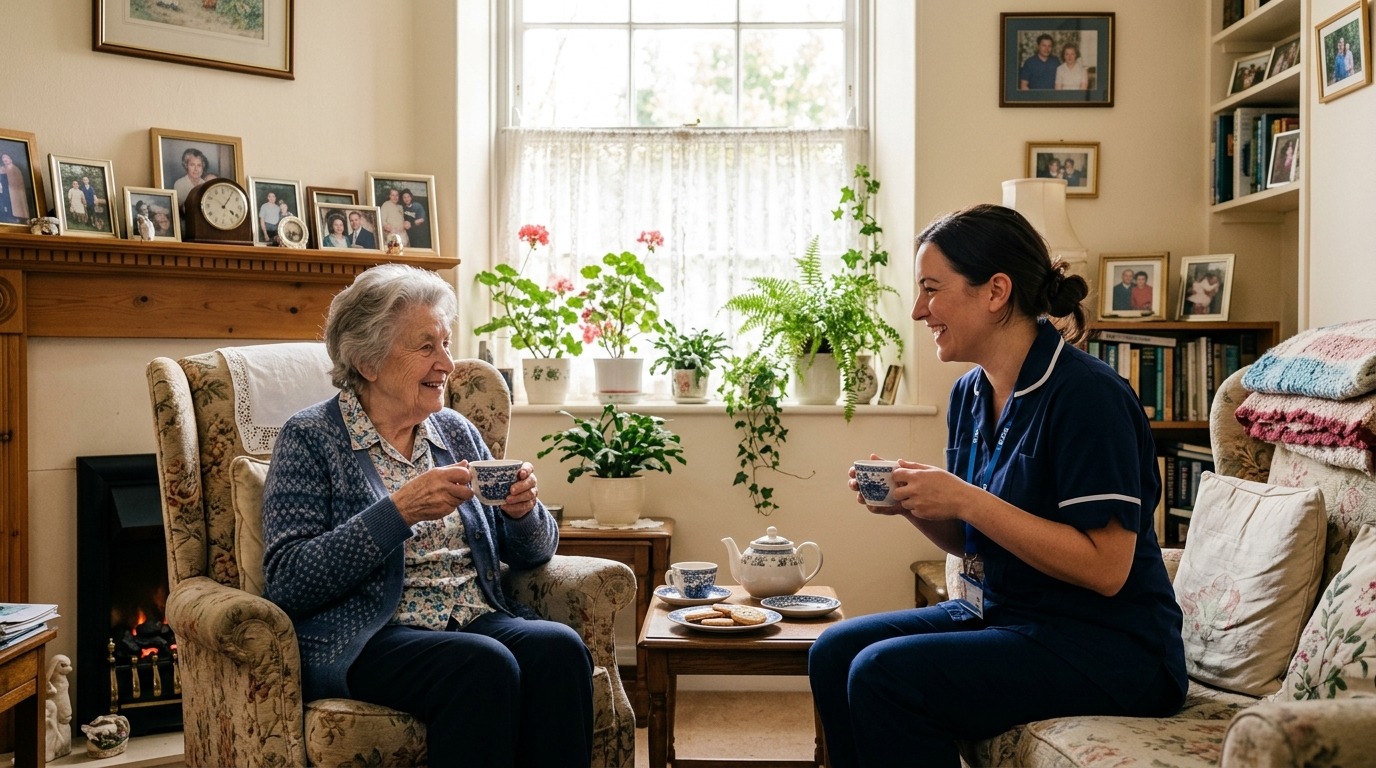
Spot the signs that staying at home is no longer safe for an elderly parent. Compare home care and care homes to find the right support for your family.
Families often face a difficult crossroads when an elderly relative begins to struggle with daily tasks. The familiar comfort of their own house is precious, yet safety must always take priority. It is rarely a sudden shift. Usually, a slow accumulation of small incidents prompts families to wonder if living independently is still sustainable.
Deciding between home care and a care home is deeply emotional. Many older adults want to remain in the environment they know and love. However, finding the balance between their independence and their physical well-being is vital. You might be noticing unexplained bruises, a decline in personal hygiene, or simply a growing sense of anxiety about their daily welfare.
If you are currently observing changes in a parent or relative, this guide will help you understand your options. We will outline the clear warning signs that indicate potential safety risks, provide a comparison of care models, and help you find a suitable alternative to a care home.
Warning Signs That Independent Living Is Becoming Unsafe
Knowing when to step in can feel overwhelming. According to resources from Age UK and The Senior Move Partnership, there are several key indicators that a person's current living arrangement is no longer working.
Frequent Falls and Mobility Issues
Physical safety is usually the first major concern. If your loved one is experiencing frequent trips or falls, their environment might be hazardous. Steep stairs, narrow hallways, or even loose rugs can suddenly become dangerous obstacles. A decline in mobility often means they struggle to safely use the bathroom or get in and out of bed without assistance.
Cognitive Decline and Memory Concerns
When memory issues progress, daily management becomes highly complex. You might find that they are leaving cooking appliances switched on, forgetting to lock doors, or becoming confused about their medication schedules. These cognitive changes pose severe risks to their immediate safety and often require constant monitoring.
A Decline in Personal Care and Hygiene
Unexplained weight loss is a significant red flag. It often suggests that an older adult is struggling to shop for groceries or cook nutritious meals. Similarly, a noticeable drop in personal hygiene, such as wearing the same clothes for days or refusing to bathe, indicates that everyday tasks have become too overwhelming to handle alone.
Severe Caregiver Burnout
Family carers often give everything to support a loved one. The stress of managing someone else's daily needs can take a massive toll on your own health, work, and relationships. If caregiving is causing you extreme exhaustion, it is time to look at external support options.
Comparing Your Options: Care Homes vs Home Care
When extra support is necessary, families generally weigh up two main paths: moving to a residential care facility or arranging home care at home. Understanding the differences is crucial for making an informed decision.
The Care Home Environment
A care home provides 24-hour supervision, structured routines, and immediate emergency response. As outlined by Age UK, care homes range from basic residential care to specialised nursing homes for complex medical needs. They offer social activities and shared spaces, which can help combat loneliness.
However, moving into a care home often means downsizing personal belongings and adjusting to a rigid schedule. For some older adults, this transition causes a significant loss of independence and autonomy.
The Home Care Approach
Home care allows an individual to stay in their own property while a carer visits to assist with daily living. This can range from a few hours a week to comprehensive live-in care. People receiving support at home can keep their pets, stay engaged with their local community, and maintain their established routines.
Comparison Table
| Feature | Care Home | Home Care at Home |
|---|---|---|
| Location | A dedicated residential facility. | The person's own private residence. |
| Independence | Must adapt to the facility's schedule and rules. | High level of autonomy and control over daily routines. |
| Continuity | Staff rotate on shifts; high turnover is common. | Ability to choose a consistent carer and build a relationship. |
| Cost | Fixed weekly/monthly fees covering room, board, and care. | Flexible costs depending on the exact hours and level of care needed. |
| Pets and belongings | Usually restricted on space and pet ownership. | Full retention of personal belongings and family pets. |
Finding an Alternative to a Care Home
You do not necessarily have to choose institutional care the moment safety becomes a concern. Many families find that bringing support into the house is a much better fit for their relative's emotional well-being.
Live-in care can provide a robust alternative to a care home. A carer moves into the property, offering round-the-clock peace of mind while allowing the older adult to remain completely embedded in their local community. Whether you are looking for live-in support in London or in a rural village, having a dedicated professional on hand drastically reduces the safety risks of living alone.
How Match with Care Can Help
If your family wants to avoid a care home move for now, one practical option is to explore live-in care at home. It can provide consistent one-to-one support while helping your relative stay in familiar surroundings.
Match with Care is an introductory platform that helps families browse, shortlist, and interview vetted self-employed carers. Candidate checks include identity and professional references, giving families a clearer and more transparent way to arrange support that fits real day-to-day needs.
Taking the Next Steps for Your Family
Acknowledging that an elderly relative is no longer safe on their own is a difficult milestone. However, recognizing the signs early gives you the time to explore all available avenues without rushing into a crisis decision.
Take the time to assess their home environment, speak honestly about their daily struggles, and consult with medical professionals. If you decide that remaining in their beloved house is the goal, explore how tailored support can make that a safe reality.
If staying at home remains the priority, compare options early and choose the support model that best protects safety, dignity, and quality of life.
Sources
10 SourcesPrimary Sources
2025
- Guidance on care home types, home care options, and warning signs for families
2025
- Indicators that independent living is no longer sustainable
2025
- Clinical guidance on fall risk factors and prevention in older adults
Clinical Guidelines
2024
- Evidence-based guidance on fall risk assessment and intervention
2023
- Guidance on dementia care including community and home-based support
Sector and Regulatory Sources
2025
- Regulatory data on registered care providers, inspection ratings, and quality standards
2025
- Research on the impact of caring on family carers' health and wellbeing
2025
- Guidance on cognitive decline indicators and care options for people with dementia
2025
- Expert guidance on dementia care planning and home-based support
Government Sources
2025
- Eligibility criteria and rates for Attendance Allowance for people with care needs
Related Articles
REGIONAL BREAKDOWN: London pays highest but still below minimum required
New analysis reveals regional variations in funding crisis with London paying £26.83/hr (highest) but still falling short of £32.23/hr needed.
Policy Response: Government announces funding review
Minister responds to crisis with comprehensive review of home care funding structure.