The Cost of Cheapness: Why We Are Paying Billions to Create a Crisis

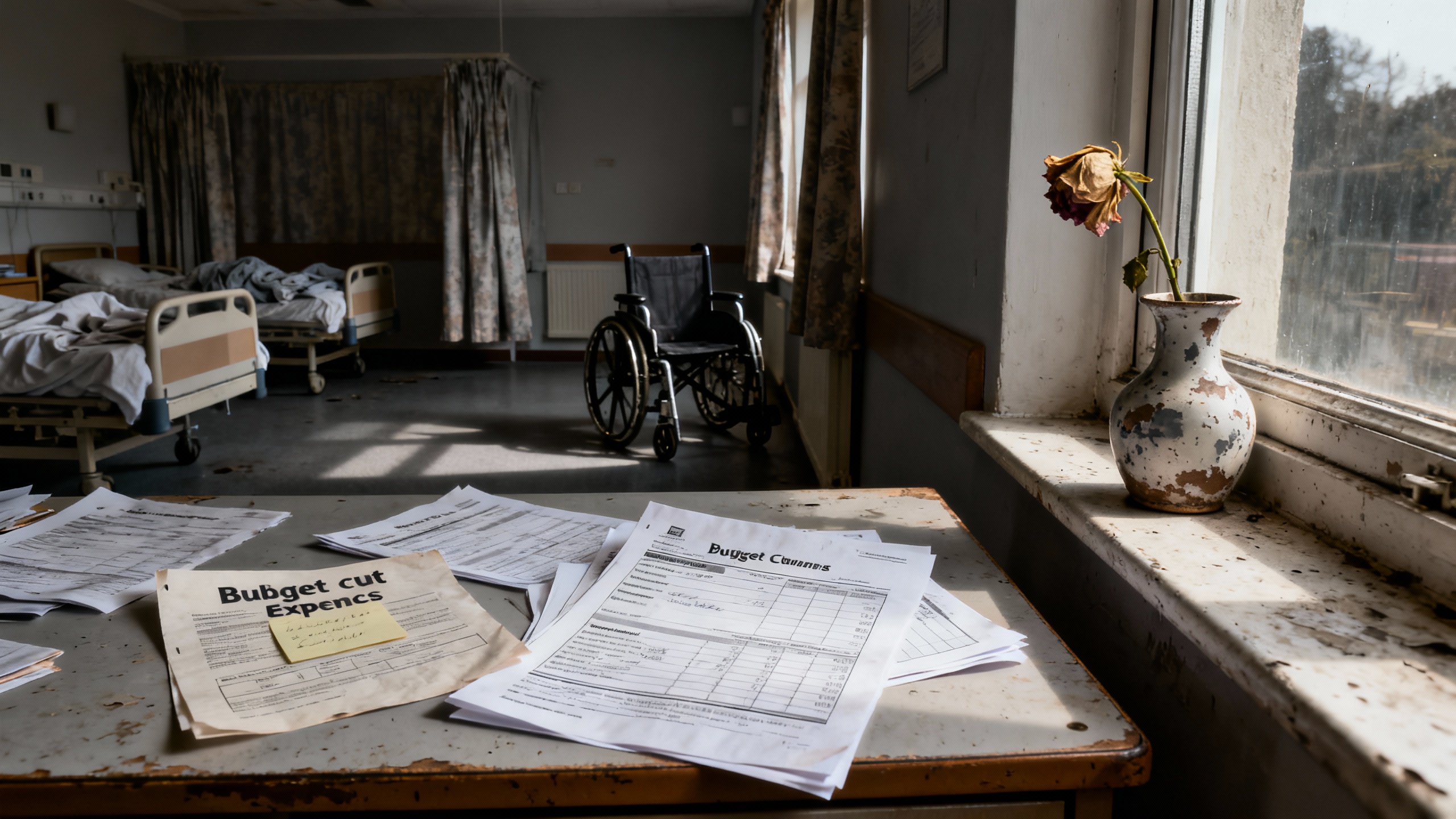
New data reveals the government is effectively mandating illegal behavior through procurement, creating a £2 billion funding shortfall that forces care providers to break minimum wage laws.
Key Findings
Billion
Annual Funding Shortfall
Councils Paying Below Legal Min.
Required Hourly Rate
If a high street retailer decided that the minimum wage was merely a suggestion because they wanted to improve their quarterly margins, they would be prosecuted. If a motorist decided speed limits were optional because they were running late, they would be fined.
Yet we currently find ourselves in a bizarre economic situation where the state is commissioning services at rates that make breaking the law a mathematical necessity.
New data from the Homecare Association has revealed a level of cognitive dissonance that is baffling even by British standards. We are facing a £2 billion funding shortfall in home care. However, the real story is not just the missing money. The real story is that the government is effectively mandating illegal behavior through the procurement process.
Key Statistics
- £2 billion: Annual funding shortfall in home care
- 30%: Councils paying rates below legal minimum wage requirements
- £7.88: Hourly shortfall below viability threshold
- £32.23: Required hourly rate for sustainable care provision
- £24.35: Actual average rate paid by councils
- £23.84: Average rate paid by NHS (even lower than councils)
State-Sponsored Absurdity
The numbers are stark. To run a sustainable home care business that pays staff the National Living Wage of £12.21 and covers travel time, you need to charge roughly £32.23 per hour.
The average rate councils are paying is £24.35.
You do not need to be a Nobel Prize winner to spot that these numbers do not add up. The research shows that 30% of local authorities are paying rates so low that they are effectively forcing care providers to pay below the legal minimum wage.
We are left with a £7.88 hourly shortfall. This gap has to be filled by someone, and currently, it is being filled by the very care workers we claim to value. When the government attempts to buy complex social care for bargain-basement prices, they do not get a deal. They get a collapsing system.
The False Economy of Efficiency
In behavioral science, we often talk about how an obsession with efficiency in one area can cause catastrophic inefficiency in another. This is playing out in real time between the NHS and local councils.
The NHS is commissioning 6% fewer hours of home care in 2025 compared to 2024. They are paying even less than councils with an average of £23.84 per hour.
This looks like efficiency on a Treasury spreadsheet, but in the real world it is a disaster. I call this cost dumping. The NHS takes complex patients and moves them onto underfunded council budgets. The councils face the impossible choice of raising taxes or cutting services, so they squeeze providers until they break.
A Fragmented Market
We are obsessed with the idea of competition, but what we have here is not a functioning market. It is chaos.
For a care provider to be efficient, they need density. They need about 1,500 hours of work a week to make the logistics work effectively. Currently, providers are averaging just 238 to 517 hours.
Commissioners seem to believe that having dozens of tiny providers fighting over scraps drives down the price. It does not. It drives down quality and drives up insolvency. We know that 40% of providers considered exiting the market last year. When they leave, the market does not correct itself. Vulnerable people simply get stuck in hospital beds costing the taxpayer £3,000 a week because we refused to spend £30 an hour.
The Geography of Disparity
We have created a postcode lottery that is deeply unfair.
Regional Funding Disparities
Average hourly rates paid by local authorities for home care across UK regions
Data: Homecare Association FOI Research (2025)
If you are in London, the rate is £26.83 per hour. If you are in the North East, it is £21.21 per hour. Even the London rate is too low given the costs of the capital, but the disparity sends a terrible signal. It suggests that your dignity is dependent on your geography.
The Solution
We need to stop treating social care as a cost to be minimized and start viewing it as an infrastructure investment that prevents the NHS from falling over.
The Homecare Association suggests three logical steps. First, we need an immediate injection of £2 billion to stop the collapse. Second, we need a minimum rate guarantee of £32.23 per hour because you cannot mandate a Living Wage without funding the people who have to pay it. Finally, we need honesty. We need a funding formula that links payments to actual costs rather than the wishful thinking of a finance department.
As Jane Townson of the Homecare Association notes, commissioners are setting rates that force providers into non-compliance or exit. It is time the government stopped relying on the exploitation of care workers to balance the national checkbook. It is bad morals, and it is terrible economics.
Key Data Summary
| Metric | Figure |
|---|---|
| Annual Funding Shortfall | £2 Billion |
| Councils Paying Below Legal Min. | 30% |
| Required Hourly Rate | £32.23 |
| Actual Average Rate | £24.35 |
| NHS Average Rate | £23.84 |
Methodology
This analysis is based on comprehensive research from the Homecare Association, which conducted Freedom of Information requests to 276 local authorities across England. The data represents:
- Sample Period: April 8-14, 2025 vs April 8-14, 2024
- Response Rate: 275 responses (99.6% coverage)
- Data Points: Lowest/highest/average rates, total hours, total spend, user numbers
- Cost Calculation: National Living Wage (£12.21/hr) + Operational Costs + 7% Sustainability Margin = £32.23/hr minimum viable rate
Sources
34 SourcesPrimary Sources
November 2025
- Comprehensive research report by Adrian Houghton, Policy Specialist
- Based on 282 Freedom of Information responses from public organisations across the UK
- Primary source for £3.25 billion funding gap, 29% of councils paying below careworker costs, and all regional data
- Includes detailed methodology, regional breakdowns, and cost calculations
November 2025
- "When commissioners set rates that fall short of legal wage costs, they force providers into non-compliance or exit."
- "Investing properly in home care is both a moral and an economic imperative."
Government Sources
November 26, 2025
- Chancellor Rachel Reeves' budget announcement
- References to social care funding settlement
- £4bn increase mentioned but allocation unspecified
November 2025
- Government statements on social care challenges
- Response to funding crisis reports
- Policy position on care funding
2025
- Current NLW rate: £12.21/hr
- Legal minimum wage requirements
- Basis for cost calculations
2025
- Details on Statutory Sick Pay changes
- Guaranteed hours provisions
- Impact on employment costs
- Government's commitment to shifting care into the community
- Integration strategy
- Prevention agenda
2025
- Neighbourhood Health Services commitment
- Community-based care expansion
2025
- Fair Pay Agreement funding announcement
- Government's aspirations for care worker pay
Research and Data Sources
September 2025
- 9.8% vacancy rate in homecare in England
- Over four times higher than the wider economy
- Sector employs around 540,000 people in England
- Workforce statistics and trends
- Comparison of vacancy rates across industries
- Context for homecare sector challenges
2025
- 70% of providers reported being unable to meet demand due to recruitment issues
- Workforce challenges and provider perspectives
CQC
- Number of registered community social care locations increased from 12,574 in June 2024 to 14,137 in August 2025
- Market fragmentation evidence
- Previous FOI exercise for comparison
- Trend analysis showing deterioration
- Historical baseline for comparison
- Long-term trend analysis
2025-26
- Cost calculation methodology and regional variations
- England, Wales, Scotland, and Northern Ireland calculations
Industry Organizations
Association of Directors of Adult Social Services
- Evidence of NHS reducing Continuing Healthcare (CHC) packages
- Cost-shifting between NHS and councils
- Analysis of commissioning challenges
November 2025
- Provider organization representing care sector
- Responses to funding crisis
- Policy recommendations
- Voluntary framework for ethical commissioning
- 31% of signatories paying below careworker costs
- List of signatory councils available on UNISON website
NHS and Health Sources
- NHS Band 3 healthcare assistant rate: £13.60 per hour (2+ years' experience)
- Pay parity comparisons
November 2025
- Data on NHS-commissioned home care hours
- Comparison of 2024 vs 2025 commissioning levels
- Evidence of 6% reduction in hours
- NHS weighted average rate: £23.96 per hour
Parliamentary and Committee Sources
- 42% of hospital patients waiting for services provided mainly through social care
- Impact of underfunding on NHS
- Each occupied bed costs the NHS around £400 per night
- Hospital discharge gridlock analysis
Data and Methodology
April-October 2025
- 282 responses from 276 public organisations (including NHS bodies)
- 275 responses from councils/HSC Trusts
- Data on hourly rates, hours commissioned, total spend, user numbers
- Regional variations and payment practices
- Sample week: April 8-14, 2025 vs April 8-14, 2024
- Political control data for councils
- Used for analysis of political responsibility for underfunding
- Real Living Wage rate: £13.45 per hour (2025-26)
- Used for devolved administration calculations
- Percentage of hours delivered to adults aged 65+ in England
- Market analysis data
- Percentage of hours delivered to adults aged 65+ in Scotland
- Scottish care data
Northern Ireland
- Percentage of hours delivered to adults aged 65+ in Northern Ireland
- Northern Ireland care data
Additional Research
2013
- Historical comparison for block contract usage
- Context for current market fragmentation
September 2025
- Starting rate of £13 per hour across Great Britain
- Competitive pay comparison for care sector
2014, 2016, 2018, 2021, 2023
- Historical trend analysis
- Baseline comparisons showing deterioration over time
- £1.6bn deficit in 2024, £400m annual increase in shortfall
Expert Analysis
- Analysis of cost dumping between NHS and local councils
- Market fragmentation and efficiency paradox
- Economic impact of underfunding social care
- Behavioral science perspective on procurement practices
Related Articles
REGIONAL BREAKDOWN: London pays highest but still below minimum required
New analysis reveals regional variations in funding crisis with London paying £26.83/hr (highest) but still falling short of £32.23/hr needed.
Policy Response: Government announces funding review
Minister responds to crisis with comprehensive review of home care funding structure.