Choking Hazards in Care: We Need to Do More

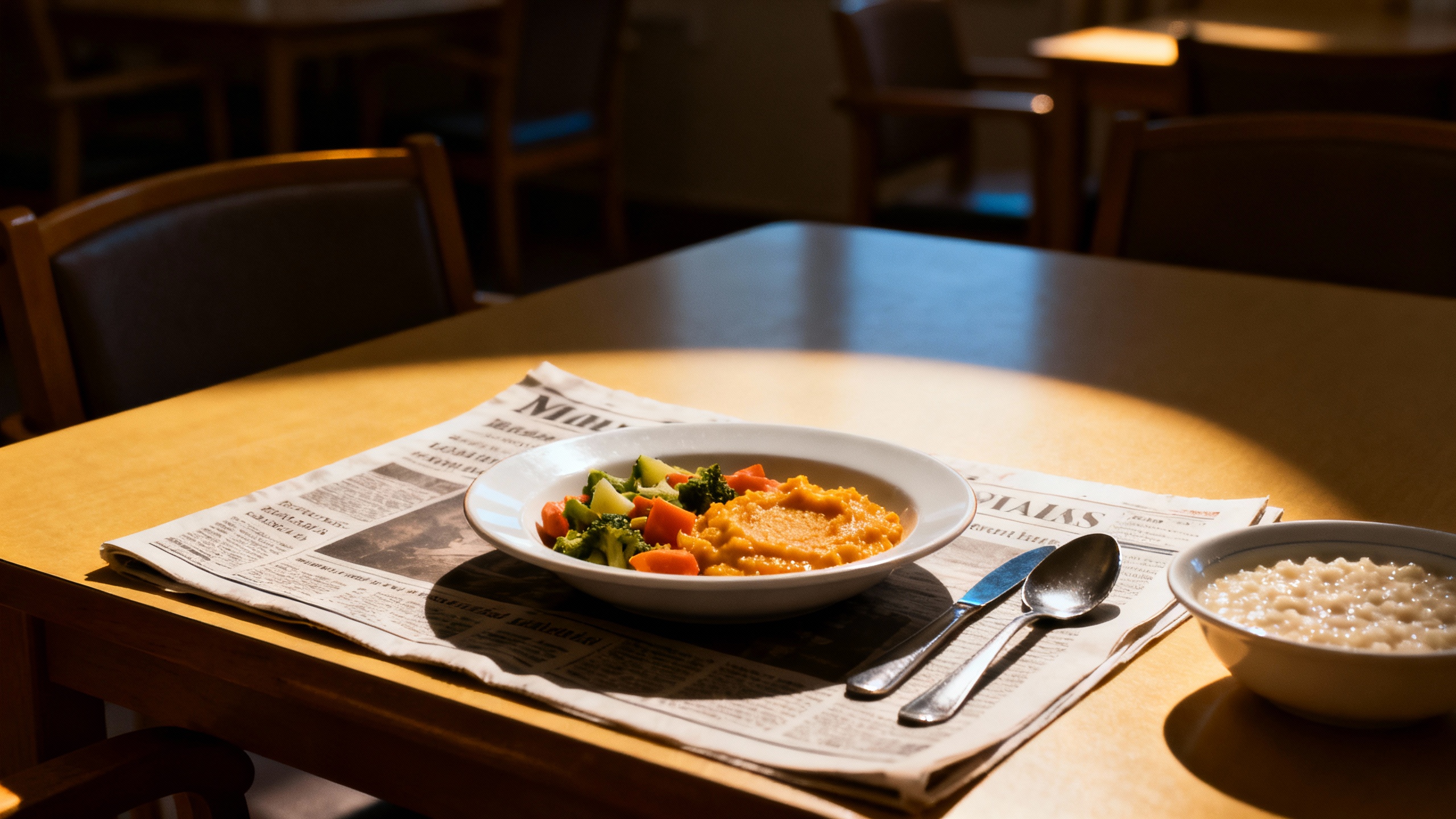
An LBC investigation reveals 21 residents choked to death after being fed inappropriate food since January 2024. Many were on prescribed soft-food diets but given regular meals, exposing catastrophic failures in training and communication.
Key Findings
Preventable Choking Deaths
Months
Time Period
Million
Notable Fine
If a waiter at a high street chain restaurant serves a dish containing peanuts to a customer with a severe nut allergy, and that customer suffers a fatal reaction, we call it criminal negligence. The chef is questioned, the manager is prosecuted, and the brand suffers a catastrophic reputation collapse.
If a care home serves a ham sandwich to a resident who is medically incapable of swallowing solid food, and that resident dies, we often call it an "accident."
An investigation by LBC has uncovered a scandal that highlights a terrifying asymmetry in how we view responsibility. Since January 2024, at least 21 residents in UK care homes have choked to death. These were not random acts of God. They were the direct result of systemic weaknesses, where residents on prescribed soft-food diets were fed regular meals that effectively acted as lethal weapons.
The Danger of the Mundane
The most heart-wrenching case involves a 73-year-old woman with the mental age of a four-year-old. She had been on a soft-food diet for over 20 years because she could not chew or swallow properly.
At Ventress Hall in Darlington, run by Care UK, staff gave her a ham sandwich.
To you and me, a ham sandwich is lunch. To this woman, it was a biological impossibility. She choked and died. The coroner noted "contributory negligence," but the corporate response focused on "areas of learning."
This phrasing is significant. In the aviation industry, "learning" happens after a crash to ensure it never happens again. In the care sector, we need to ensure "learning" isn't just a euphemism for "carrying on as usual." Care UK operates 165 homes. 20% of their residents require special diets. If they cannot distinguish between a ham sandwich and a soft meal, they are facing a critical process failure.
Risk by WhatsApp
Perhaps the most concerning detail to emerge from the coroner's reports is the medium of communication.
An 80-year-old resident at Oak Tree Mews in Gloucestershire was assessed as a severe choking risk. She was on a Level 5 soft food diet. This is a medical prescription, not a lifestyle choice.
Yet, she was taken off this diet via a WhatsApp message to staff.
There was no documented rationale. No assessment by a Speech and Language Therapist. Just a text message. A staff member then allowed her to eat a chicken wrap brought in by her husband. She choked and died.
In behavioural science, we talk about the importance of friction. We put safety catches on guns and "Are you sure?" dialogues on delete buttons to prevent catastrophic errors. Using WhatsApp to alter a medical care plan removes all friction. It trivialises the decision. It signals to staff that this information is casual, optional, and unimportant. The medium is the message, and the message was: "Don't worry about it."
The Training Vacuum
We assume that people working in care homes are trained to handle complex medical needs. This assumption is, it turns out, optimistic.
Age UK has pointed out that there is no mandatory register for care workers and training levels are "questionable." The International Dysphagia Diet Standardisation Initiative (IDDSI) has existed since 2019 to standardise food textures. Yet, reports suggest 13% of care homes are simply ignoring it.
This is not a problem of complexity. The IDDSI framework is not quantum mechanics. It is a scale of 0 to 7. The problem is a lack of professional rigour.
In October 2025, HC-One Limited was fined £1.8 million after a 96-year-old resident choked to death. She was left alone with food she couldn't eat. The agency carers didn't even know she had a care plan.
A System Designed to Fail
We are witnessing a classic "diffusion of responsibility."
The Agency Worker doesn't know the plan because the handover was bad.
The Manager doesn't check the handover because they are understaffed.
The Executive relies on "procedures" that exist on paper but not in reality.
The result is that 21 people have died preventable deaths in 20 months. These people did not die from their conditions. They died because the system designed to protect them failed to perform the most basic function of care: ensuring the meal matches the medical need.
The Solution: Skin in the Game
We need to stop treating these deaths as "clinical incidents" and start treating them as process failures.
Mandatory Registration: You cannot drive a forklift without a license. You should not be able to feed a dysphagic patient without verified training.
Formalise Communication: Banning WhatsApp for care plan changes isn't bureaucratic; it is essential. Critical decisions require formal channels.
Supervision is Non-Negotiable: Leaving a high-risk patient alone to eat is not "promoting independence"; it is negligence.
As long as we allow care homes to view dietary requirements as suggestions rather than laws, these "accidents" will continue. A ham sandwich should not be a cause of death. The fact that it is tells you everything you need to know about the current state of our care sector's processes.
Key Data Summary
| Metric | Figure |
|---|---|
| Preventable Choking Deaths | 21 |
| Time Period | 20 Months |
| Key Failure Mode | Soft-diet patients fed solid food |
| Notable Fine | £1.8 Million |
| Non-Compliance Rate | ~13% |
Methodology
This analysis is based on the LBC investigation broadcast on 23 September 2025, which uncovered 21 preventable choking deaths in UK care homes since January 2024. The investigation was conducted by LBC's Nick Ferrari show and included analysis of coroner reports, care home responses, and regulatory data.
Additional sources include coroner Prevention of Future Deaths reports, Health and Safety Executive prosecutions, and industry responses from Care UK and Age UK.
Sources
24 SourcesPrimary Sources
23 September 2025
- Investigation highlighted 21 avoidable deaths in care homes since January 2024
- Broadcast at 8.26am on Nick Ferrari show
- Focus on unsafe meals and lack of supervision during mealtimes
- Primary source for the 21 deaths statistic
23 September 2025
- Coverage of LBC investigation findings
- Details of case at Ventress Hall care home in Darlington
- Care UK's response and statement
- Age UK's call for mandatory register of care workers
Coroner Reports
12 August 2025
- Report on death of 80-year-old resident at Oak Tree Mews Care Home in Gloucestershire
- Died after choking on chicken from wrap brought in by husband
- Had been on Level 5 soft food diet but removed via WhatsApp message
- No documented rationale for removing her from soft-food diet
- Food brought in by family not checked for suitability
Date not specified in sources
- 73-year-old woman with brain damage (mental age of 4)
- On soft-food diet for 20+ years
- Given ham sandwich at Care UK's Ventress Hall, Darlington
- Death described as accidental but with contributory negligence
- Prescribed Level 5 soft food diet under IDDSI framework
Regulatory and Prosecution Sources
30 October 2025
- HC-One Limited fined £1.8 million
- 96-year-old resident choked to death at Cradlehall Care Home, Inverness
- Left unsupervised for up to 20 minutes while eating
- Agency carers did not know about her care plan
- Required close supervision and soft, moist, bite-sized food diet
- Britain's national regulator for workplace health and safety
- Has investigated multiple care home choking cases
- Inspector Michelle Gillies statement: "This isn't the first resident choking case HSE has had to investigate"
Industry Responses
September 2025
- Response to LBC investigation
- Condolences to affected families
- Introduced "more robust checks and training programmes"
- Focus on safe dining practices and first aid techniques
- Operates 165 care homes with 2,000+ residents requiring special diets
September 2025
- Called for mandatory register of care workers
- Described training levels in care homes as "questionable"
- Advocacy for improved training standards
Regulatory Framework
- Regulator for health and social care in England
- Rates care homes including Ventress Hall (rated "Good" in all areas)
- Inspection framework and enforcement powers
Regulated Activities
- Establishes care homes' responsibility for adequate nutrition and hydration
- Legal framework for care standards
- Referenced in IDDSI implementation guidance
IDDSI and Dysphagia Standards
International Dysphagia Diet Standardisation Initiative
- Formally implemented in UK since April 2019
- Supported by Royal College of Speech and Language Therapists
- British Dietetics Association and National Association of Care Catering support
- Framework consists of 8 levels (0-7) for foods and drinks
- Level 5: Minced and Moist food
- Standardised terminology and testing methods
- International framework for dysphagia management
2024
- Approximately 13 per cent of care homes not adhering to IDDSI standards
- Challenges in implementing texture-modified foods
- Industry concerns about compliance
- Guidance on implementing IDDSI standards
- Support for care homes managing dysphagia
- Training resources and best practices
- References Health and Social Care Act 2008 Regulations
- Guidance aligned with NICE standards
- IDDSI implementation support
Additional Cases and Context
2025
- Coverage of HSE prosecutions
- Industry response to choking incidents
- Regulatory enforcement actions
2025
- Legal proceedings in care home choking cases
- Coroner inquest processes
- Potential criminal prosecutions
Industry Analysis
2024
- Industry body representing care providers
- Concerns about specialist diet provision
- Challenges in meeting IDDSI standards
- Training and implementation guidance
- Best practices for care homes
- Support for providers
Independent Speech and Language Therapy Services
- Professional guidance on IDDSI implementation
- Training resources for care providers
- Support for Speech and Language Therapy teams
Prevention and Safety
2025
- Digital solutions for dining management
- Technology to support safe feeding practices
- Prevention strategies
November 2025
- Analysis of HC-One case and £1.8 million fine
- Choking prevention strategies
- First aid guidance for care settings
- Discussion of anti-choking devices as adjunct to standard first aid
Government and Policy
- Government policy on social care
- Regulatory framework
- Responses to care home safety issues
- Training standards for social care workforce
- Qualifications and development
- Workforce planning and support
Related Articles
REGIONAL BREAKDOWN: London pays highest but still below minimum required
New analysis reveals regional variations in funding crisis with London paying £26.83/hr (highest) but still falling short of £32.23/hr needed.
Policy Response: Government announces funding review
Minister responds to crisis with comprehensive review of home care funding structure.